

Understanding Adult ADHD: A Personal Journey and Practical Insights
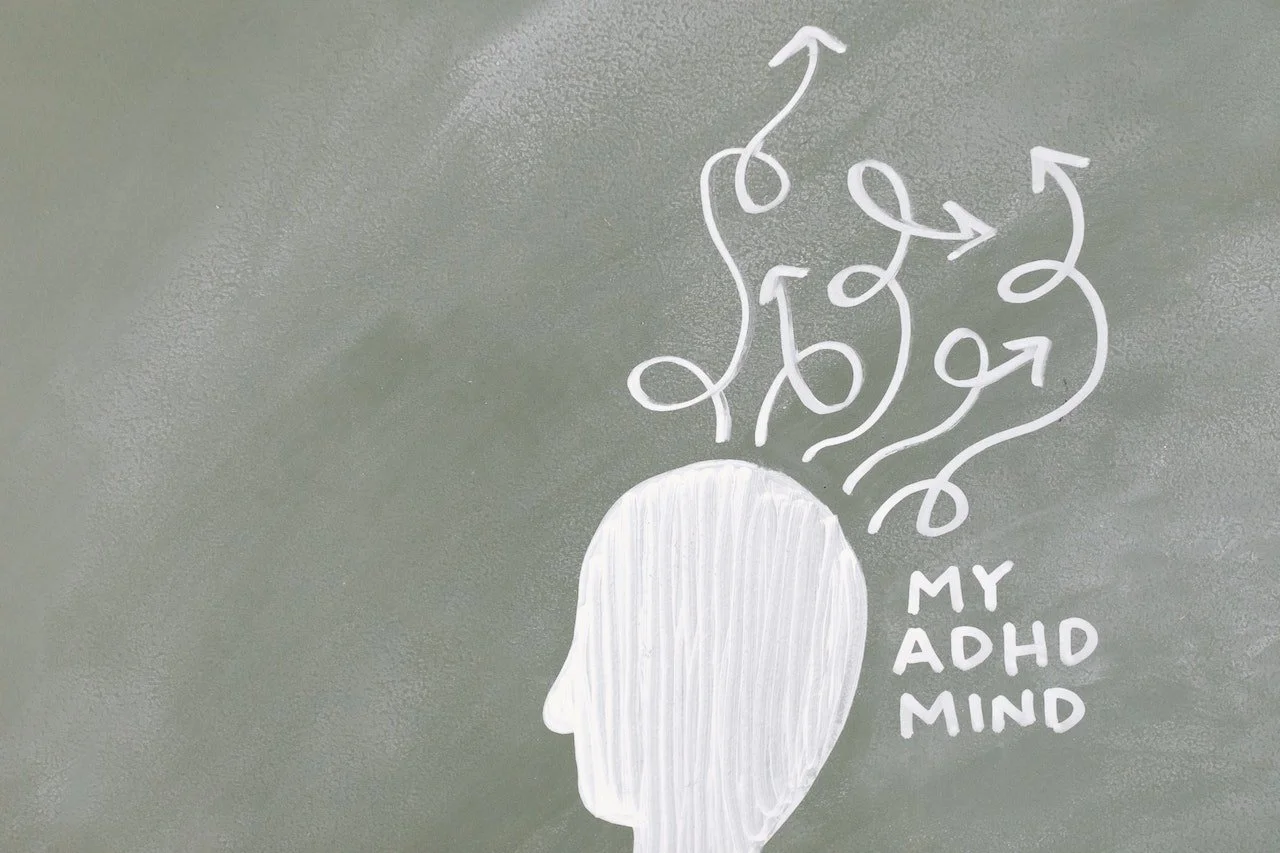

“What the f*#k is wrong with me!?”.
It’s a question I’ve asked myself a thousand times. I make impulsive decisions, and the idea of working at an office job until I retire frightens me. I often wonder if my expectations of the world are based in reality. I have ADHD, and even though I was diagnosed in the 2nd grade, it took me over 20 years to truly understand how neurodivergence affects the details of my everyday life.
The Struggle with ADHD Perception
Full disclosure: I didn’t even really believe ADHD was real. I knew I felt different than everyone else, but I thought ADHD was just how big pharma was cashing in on selling stimulants. I could’ve avoided years of grief and self-loathing had I just done some research. Knowing how ADHD functions in the brain can help you start to feel grounded. So, what exactly is ADHD?
What is Adult ADHD?
The National Institute of Health defines ADHD as “a developmental disorder with an ongoing pattern of inattention and impulsivity. The symptoms of adult ADHD can interfere significantly with an individual’s daily activities and relationships.” While this definition is accurate in a clinical sense, it feels vague. Unlike other conditions, simply listing ADHD symptoms generates a “meh” response. We need real-life examples to understand it better.

Breaking Down ADHD Symptoms
Many sources describe ADHD by its symptoms, but these symptoms occur across a broad spectrum and vary from expert to expert. Here are some common symptoms:
Difficulty paying close attention
Organizing tasks and managing time
Impulsivity
Making seemingly careless mistakes at school or work
Losing items like keys all the time
Restlessness, fidgeting, or tapping hands
However, knowing these symptoms doesn't explain the "why." Here’s the “why”...
ADHD in the Brain: Neurotypical vs. Neurodivergent
ADHD is a neurological disorder affecting the brain's motivation and reward centers. In a neurotypical brain, when faced with a task, neurons trigger the release of norepinephrine, closely related to dopamine, which aids in motivation, focus, and satisfaction upon task completion. This creates a positive reinforcement loop, making it easier to establish and stick to routines.
In the brain of someone with ADHD, this process doesn't happen as smoothly. When a task isn’t immediately exciting or challenging, the neurotransmitter norepinephrine doesn’t trigger properly. This makes feeling motivated or maintaining attention difficult, even if the task is important. This struggle to initiate tasks despite knowing their importance is a hallmark of neurodivergence in ADHD.
Practical Strategies for Managing ADHD
If you’re like me, you might be looking for ways to apply this information. I struggled for years, losing jobs, relationships, and more due to ADHD mismanagement. Over time, I discovered valuable strategies to manage ADHD symptoms, including exercise, supplements, and even simple tools like egg timers.
Conclusion
Living with ADHD can be challenging, but understanding how it affects your brain and implementing practical strategies can make a significant difference. For more insights and tips on thriving with ADHD, stay tuned to my podcast and explore the resources available. Much love!
---
For a deeper dive into this topic and to hear personal stories and expert advice, listen to the full episode of our podcast. Click [here] to tune in now!