

The most informative podcast about adult ADHD.
The podcast Attention Please on Spotify contains 43,500 seconds, that's 720 minutes or over 12 hours of free content full of information about you and adult ADHD. It is the most informative podcast about adult ADHD on most podcast platforms.


ADHD Treatments Around the Globe: A Worldwide Perspective
This comprehensive guide will explore the U.S., U.K., Australia, India, and Japan approaches, comparing methods and highlighting unique treatments.
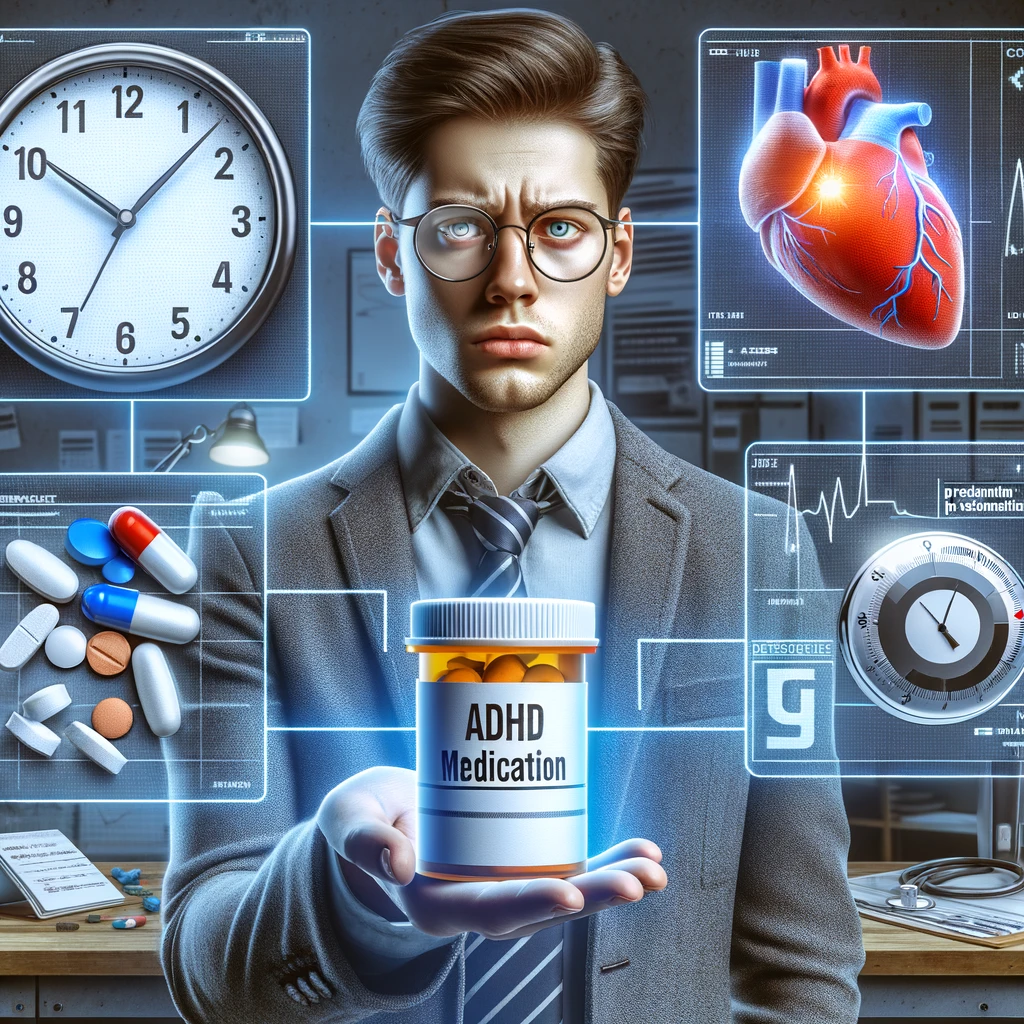
The Exciting History of ADHD: From Early Observations to Modern Treatments
1845, Dr. Heinrich Hoffmann published a children's book featuring "Fidgety Phil," a character who couldn't sit still. This early literary example depicted ADHD-like behavior in a relatable and entertaining way. Hoffmann's stories highlighted the daily struggles of those with attention issues, laying the foundation for recognizing ADHD in children.

How ADHD Alters Your Perception of Time: Tactics to Make Time Management Your Most Significant Asset!
Individuals with ADHD might find themselves lost in the moment, overlooking the future, which complicates time management and planning.
Guidelines for Establishing Intentions to Overcome Procrastination
You wake up in the morning, get yourself to work or school, and for the next eight hours, you think, "I cannot wait to get home and do that thing I've wanted to do for a long time." In that moment, you feel unstoppable. Fast forward a few hours, you get back home, kick off your shoes, plop down on the couch, and start watching TV or scrolling through TikTok. That burst of energy is gone. Why does that happen? And how do you stop it from happening

31. Showers that boost your focus!
To use contrast showers for focus, follow these steps:
Start with a warm or hot water phase for 1-3 minutes to relax your muscles and reduce stress.
Then, switch to cold water for 1-3 minutes to invigorate your body and boost alertness.
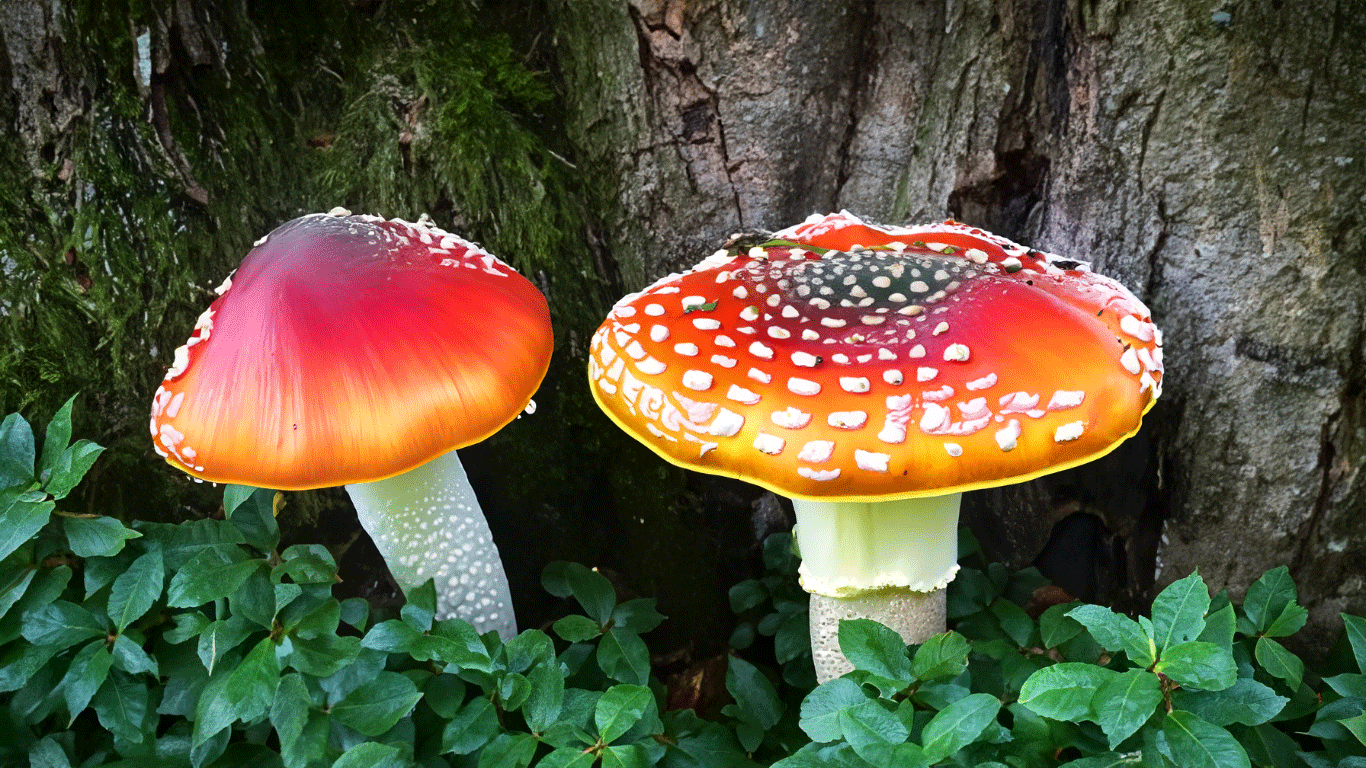
30. Can Magic Mushrooms Treat ADHD?
The utilization of psychedelics has been increasingly recognized for its potential in addressing mental health issues. Notably, the NHS in the UK has begun establishing psychedelic-based therapy clinics, demonstrating effectiveness in treating conditions such as depression, anxiety, and OCD. Recent findings published in Frontiers in Psychiatry indicate that micro-dosing psychedelics, such as LSD or magic mushrooms, could enhance mindfulness in adults grappling with ADHD.

29. ADHD Abilities: Superior Problem Solvers
Now, I'm thankful for my ADHD, even blessed by it. I believe in nature and evolution, as well as spirituality. Nature, god, evolution, or whatever you define it as doesn't make mistakes. The more I learned about my inability to focus, I began to see it as less of a sickness and almost like an intellectual immune response to keep me away from things that weren't meant for me; it was protection shielding me from something very unnatural for humans.

27. Is Marijuana a treatment for ADHD in adults?
Research suggests that individuals with ADHD may be more likely to use marijuana compared to those without ADHD. Several studies have found a correlation between ADHD and higher rates of marijuana use. For example, a study published in the Journal of the American Academy of Child & Adolescent Psychiatry in 2017 found that adolescents with ADHD were likelier to use marijuana and initiate marijuana use earlier than their non-ADHD counterparts.

26. How ADHD Impacts Relationships:Communication, Emotions, and Conflict Resolution
Discover how ADHD affects relationships, communication, emotional regulation, and conflict resolution. Learn strategies to maintain healthy connections.

25. What is the Relationship Between ADHD and Rejection Sensitive Dysphoria?
What is Rejection-Sensitive Dysphoria, and how do you know if you might have it?
RSD is a condition that often occurs in people with ADHD. It is characterized by an intense emotional reaction to perceived or actual rejection or criticism. People with RSD may feel deeply hurt, humiliated, or ashamed when rejected or criticized. They may also have difficulty recovering from these experiences.

24. Where does ADHD come from? Part 2
In part one, we learned about a man named Doctor Gabor Mate. His claims about ADHD are popular, profound, and polarizing. He believes there's no such thing as ADHD, depression, bipolar disorder, anxiety, etc., as we have come to know it. We know them by their symptoms. In reality, we only know the names used to describe what are truly external markers of emotional or physical traumas and are often acquired during childhood.
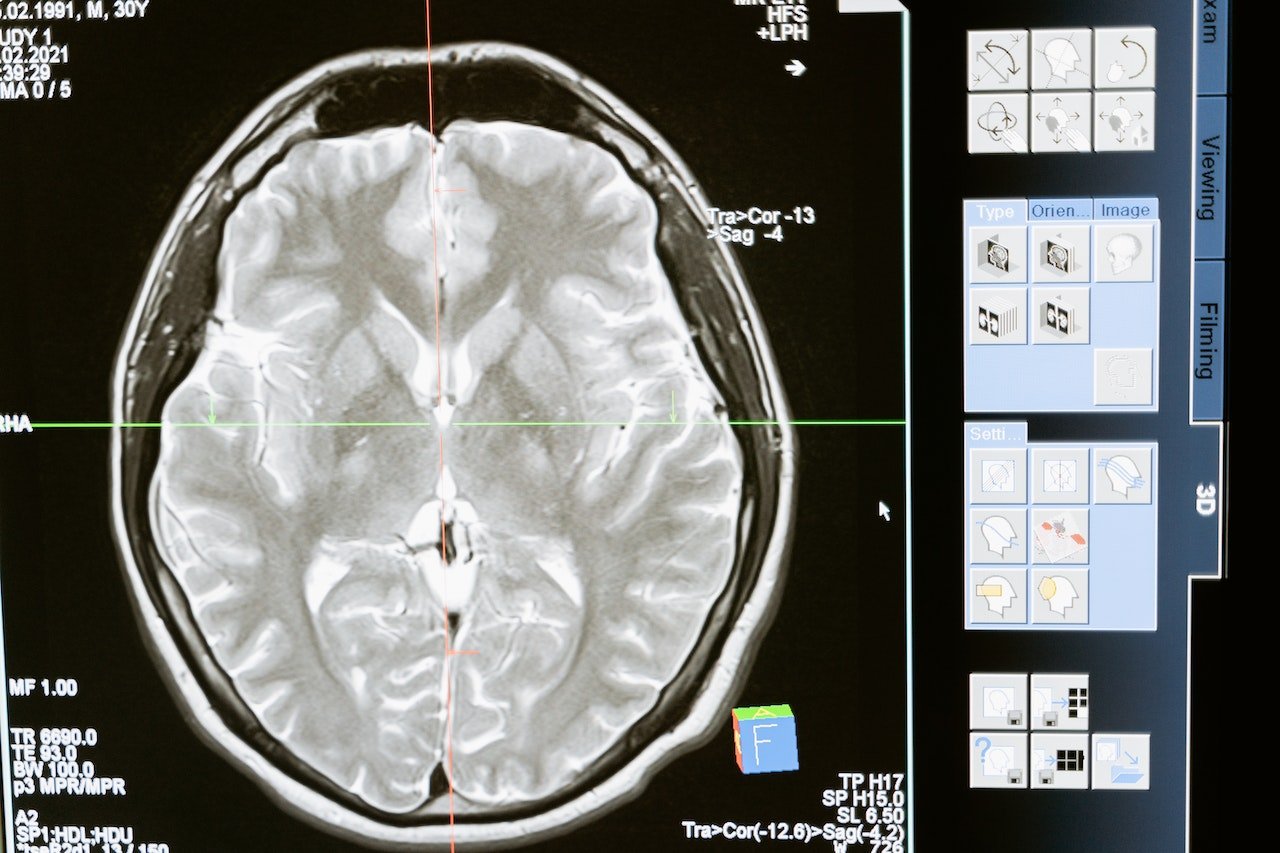
23. Where does ADHD come from?
Dr. Gabor Mate's approach to addiction and mental health emphasizes the importance of understanding the underlying causes of these issues, such as childhood trauma and social factors. His work has been influential in promoting a more holistic and compassionate approach to addiction and mental health treatment.
22.💊 Why is the Adderall Shortage happening in 2023? 2 of 2
Adults have overtaken children since the 2010s for prescription ADHD drugs. Stimulants offer irreplaceable relief to patients who suffer from neurodivergence. It improves their work and school performance, reducing their risk of anxiety, depression, drug abuse and suicide. A 2017 study of millions of patient records observed adult ADHD patients who take stimulants are less likely to get into an auto accident. This is significant because one of the manifestations of adult ADHD is frequent auto accidents.
That's probably why Dr. David Goodman calls stimulants "One of the most effective treatments in all of medicine, for any condition." When people have heart disease or diabetes, taking a pill doesn't suddenly make them able to function the way a healthy person does. For example, suppose you have a heart problem requiring you to take drugs. In that case, once you take the medication, you can't be miraculously able to start running marathons.
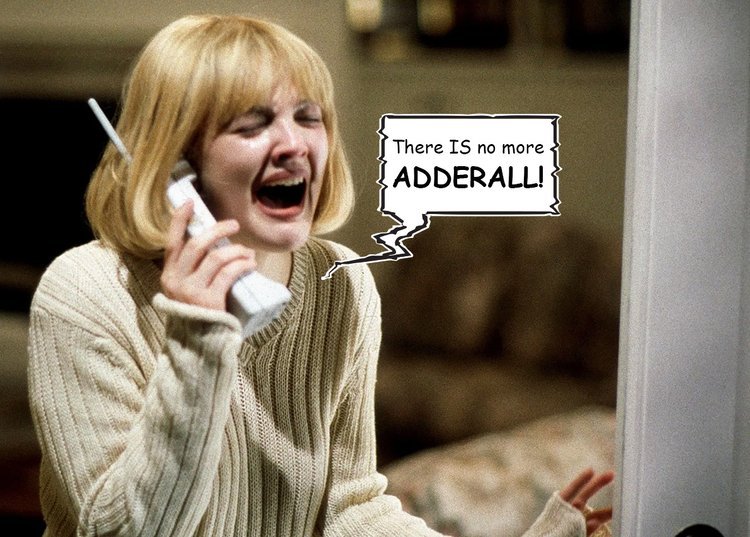
21. 💊 Why is the Adderall Shortage happening in 2023?
The U.S. government classified amphetamine as a Schedule II controlled substance in 1971, making it illegal to possess or sell the drug without a prescription. Despite this, amphetamine abuse continued to be a problem, and the drug was often combined with other substances like cocaine and heroin.
In the 1980s, the world was still raw over the recent death of Elvis, in part due to amphetamine/general drug addiction. Meanwhile, the use of amphetamines as a treatment for attention deficit hyperactivity disorder (ADHD) began to increase.

20. How to Accomplish Your Goals Easily with ADHD (Be a double agent)
Ever notice how much you can accomplish at work (even if you don't enjoy your job) compared to how much you do at home? Even if you include all your "bathroom breaks" where you scroll Instagram and Twitter, you're still getting things done if you still have a job.
In contrast, you may procrastinate when you do get home. Chores are left undone, and projects still need to be finished. Yet, you manage to get weekly reports done, and you hate doing those. Coming home and doing bong rips, playing video games, or lying on the couch with your phone feels like an escape, but it's not if you have goals to accomplish.

19. How EMDR Therapy can be used to manage ADHD
Comorbid symptoms; comorbidities; or co-occurring conditions are defined as the presence of one or more additional medical or mental health conditions that occur alongside a primary condition. Comorbidities are common in many medical and mental health conditions and can complicate diagnosis and treatment. How do ADHD’s comorbidities contribute to depression and anxiety?

18. History and science of Binaural Beats, the science and how to use them to focus with ADHD. (and a Brain.fm review)
In the 1970s, binaural beats were used for therapeutic purposes. Robert Monroe, the founder of the Monroe Institute, pioneered using binaural beats for relaxation, meditation, and altered states of consciousness. Monroe developed a technology called "Hemi-Sync," which used binaural beats to synchronize the left and right hemispheres of the brain and induce various mental states.
The 1970s and the strange experiments happening at that time regarding human consciousness and altered states are fascinating. The show Stranger Things is based on the MK-Ultra experiments conducted by the United States. However, explaining what that was is a whole other episode and a different podcast. Here's something interesting, though, have you ever heard of the gateway process? The Gateway Process is a meditation program developed by the Monroe Institute in the 1970s. It is intended to help individuals explore altered states of consciousness and expand their awareness.

17. How ADHD Differs in Men and Women 🤯
Discover how ADHD manifests differently in men and women. Learn about symptoms, daily impacts, and effective strategies for managing ADHD in relationships. Read more on Abundant ADHD.
16. How to Clean and Organize with ADHD
A clean space is a happy space, and clutter tends to poorly affect your focus whenever your space is untidy. Even so, the thought of cleaning and organizing induces waves of anxiety and procrastination for me. It may be challenging, but there are scientifically proven benefits to having a clean environment.

15. High Achievers with ADHD
There's something special about neurodivergence, truly. When you do the research, you learn that the prevalence of ADHD is significantly higher amongst those who share ancestry with ancient people who migrated frequently. That tells me a lot. Perspective is everything, and now I wonder if ADHD is somehow a natural defense against the onset of homogenous culture and its complacency-promoting tendencies instead of being a screw-up.