

16. How to Clean and Organize with ADHD
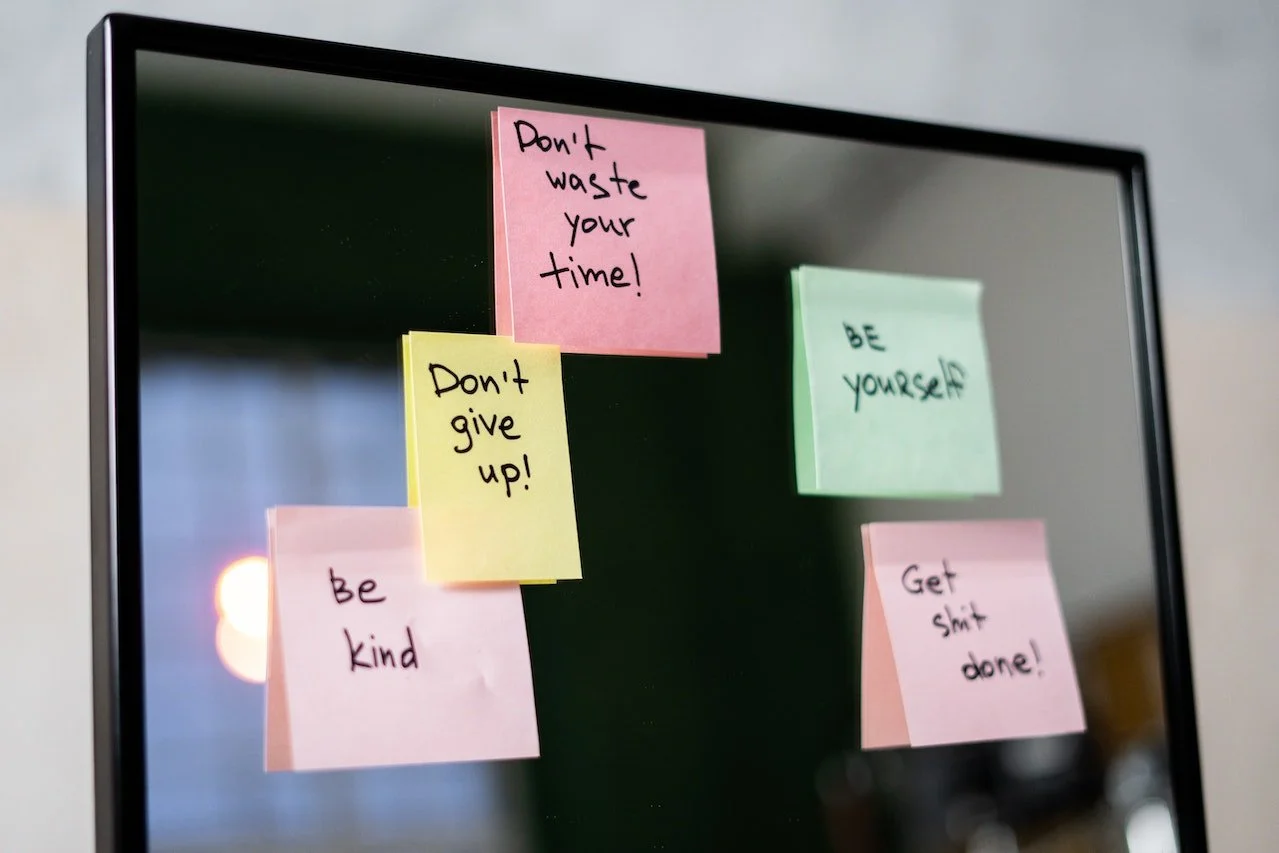
Photo by cottonbro studio
Cleaning and organizing can be daunting for anyone, but it can be incredibly challenging for people with ADHD. The combination of distractibility and impulsivity can make cleaning and organizing overwhelming and frustrating. However, with the right strategies, people with ADHD can successfully clean and organize their homes.
A clean space is a happy space, and clutter tends to poorly affect my focus whenever my office is untidy. Even so, the thought of cleaning and organizing induces waves of anxiety and procrastination for me. It may be challenging, but there are scientifically proven benefits to having a clean environment.
For example, a study published in the Journal of Neuroscience in 2011 found that clutter in the visual field competes for attention, making it harder to focus and process information. Another study published in the Journal of Environmental Psychology in 2013 found that an organized workspace improved performance on tasks requiring focus and mental stamina.
Moreover, a messy workspace can also contribute to increased stress levels, which can further reduce productivity. A study published in the Personality and Social Psychology Bulletin in 2010 found that women who described their homes as cluttered or chaotic had higher levels of the stress hormone cortisol than women who described their homes as restful or restorative.
I say all of that to stress the importance of keeping a clean and tidy space. Try not to freak out. I know this entire monologue may be triggering for some of you, but overcoming the fear of controlling the chaos in your environment can significantly improve your ADHD symptoms. Want to learn how to improve your focus to become more productive with ADHD? Stay tuned!
Here are some tips and tricks for cleaning and organizing with ADHD:
Create a Plan:

Photo by Startup Stock Photos from Pexels
One of the most critical steps in cleaning and organizing is creating a plan. Without a strategy, it can be easy to become overwhelmed and discouraged. To create a plan, start by identifying the areas of your home that need to be cleaned and organized. Then, break those areas down into smaller, manageable tasks. For example- suppose you need to clean and organize your bedroom; you might break it down into smaller tasks such as making the bed, putting away clothes, and managing the closet.
2. Use a Checklist:

Photo by Pixabay from Pexels
Checklists can be a powerful tool for people with ADHD. They help to break down tasks into smaller, manageable steps and provide a sense of accomplishment when items are checked off. To create a checklist, start by identifying the tasks that need to be completed. This step supports step one; once you create a plan, write down what you desire to accomplish and turn them into a simple checklist. A kitchen cleaning checklist might include washing the dishes, wiping down the countertops, and sweeping the floor.
3. Set a Timer:

Photo by Mike from Pexels
Setting a timer can help people with ADHD stay focused and motivated. Start by setting a timer for a short period, such as 10 minutes. During that time, focus on one task, such as folding laundry or cleaning the bathroom. When the timer goes off, take a break before starting another job. Gradually increase the time spent on each chore as you become more comfortable with the process.
4. Use a Visual Timer:
To expand on step three, a visual timer can be particularly helpful for people with ADHD. A visual representation of the passage of time can help people with ADHD stay focused and motivated. Various visual timers are available, ranging from simple hourglasses to more complex digital timers. I use a simple egg timer. You could use your phone, but a mobile device could be distracting. Egg timers are cheap, and I wrote an article called "the hard boiling method," which can provide additional tips on effectively practicing this method.
5. Break Tasks into Smaller Pieces:
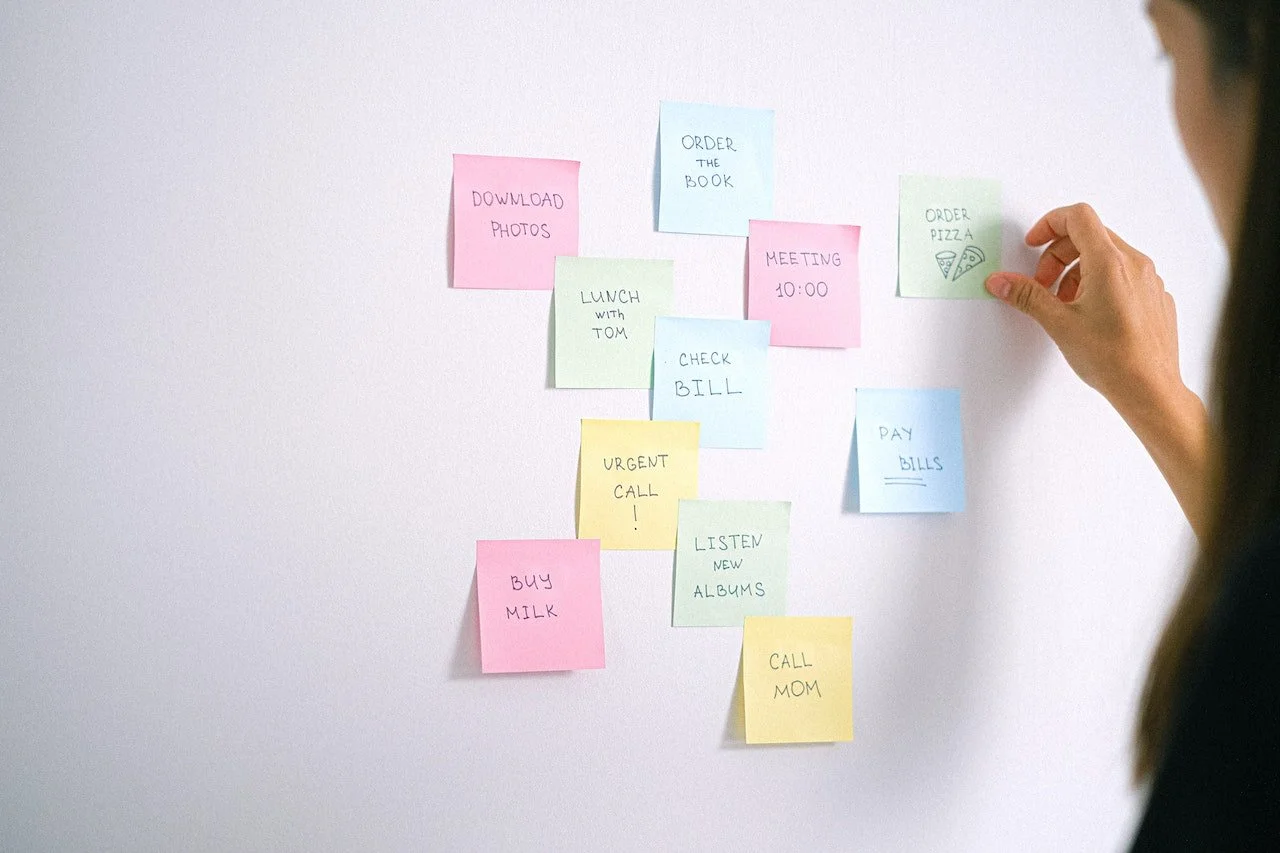
Photo by Anna Shvets from Pexels
Expanding on step one, breaking tasks into smaller pieces can make them feel more manageable. For example, instead of cleaning the entire kitchen, break it down into smaller tasks, such as cleaning the countertops, washing the dishes, and sweeping the floor.
6. Use the 20-10 Rule:

Photo by cottonbro studio from Pexels
The 20-10 rule involves working for 20 minutes and then taking a 10-minute break. During the 20 minutes, focus on one task, such as decluttering a shelf or organizing a drawer. During the 10-minute break, do something enjoyable like reading a book or walking. This method is potent and effective for someone with neurodivergence to get things done. The 20-10 rule segues nicely into the next step.
7. Use a Reward System:
A reward system can be a powerful motivator for people with ADHD. Set a goal for what you want to accomplish, like cleaning the kitchen or organizing a closet. Once you've achieved that goal, reward yourself with something enjoyable. Using the 20-10 rule to manage your playtime will ensure you stay on the rails. Believe it or not, it works!
8. Get Rid of Clutter:

Photo by Andrea Piacquadio from Pexels
Clutter can be a significant source of stress for people with ADHD. It's essential to get rid of clutter. Not to be confused with general tidying up, this step is more focused on getting rid of things you don't need. If you're anything like me, keeping things you don't use anymore is easy. Many people hold onto clothing items that no longer fit, are out of style, or that they don't wear—papers and documents like bills, receipts, and old school or work assignments. Old electronic devices and their cords, even if they no longer work or are outdated, you know you don't use that DVD player anymore! To eliminate clutter, start sorting items into three categories: keep, donate, and throw away. Then, organize the things you'll keep in a way that makes sense. I like the Marie Kondo method of eliminating clutter: If it doesn't inspire joy when you look at it, get rid of it. While sorting, it's also helpful to ask yourself, "when was the last time I even used this thing?"
9. Use Labels:

Photo by Taryn Elliott from Pexels
Labels can be a powerful organizational tool for people with ADHD. They help to create a sense of order and make it easier to find things. To use labels effectively, start by identifying the categories of items that need to be labeled, such as kitchen supplies or office supplies. Then, use a label maker or write labels by hand and affix them to the appropriate items.
10. Create a Dedicated Space:

Photo by olia danilevich from Pexels
It's essential to have a dedicated space for the items that you use most frequently. For example, if you use your keys, wallet, and phone daily, create a designated area for them, such as a tray or basket near the front door. Having a dedicated space can help you stay organized and save time.
11. Involve Others:

Photo by Mica Asato from Pexels
Cleaning and organizing can be more enjoyable and productive when done with others. Enlist the help of a family member, friend, or professional organizer to make the process more manageable. Having someone to provide accountability and support can help you stay focused and motivated. This might not work so well if you choose another person with ADHD. You may both end up playing video games the entire day.
12. Be Kind to Yourself:

Photo by Prateek Katyal from Pexels
Cleaning and organizing can be challenging, especially for people with ADHD, so it's important to be kind to yourself and celebrate small successes. Don't get discouraged if things don't go perfectly. Instead, focus on progress and learning from mistakes.
In conclusion
Cleaning and organizing can be challenging for people with ADHD. Still, creating a clean and organized space with the right strategies is possible. By creating a plan, using checklists and timers, breaking tasks into smaller pieces, and getting rid of clutter, people with ADHD can achieve their cleaning and organizing goals. Again, remember to be kind to yourself, involve others, and use labels and dedicated spaces to make the process more manageable. With these strategies in mind, people with ADHD can create a clean, organized living space that supports their mental health and overall well-being.
Sometimes more than using tips and tricks is needed. That's why I use brain vitamins like Alpha Brain! Alpha brain is a nootropic; this natural supplement increases focus, cognitive function, and mental clarity. They've done double-blind placebo studies on it, and it's the real deal. One study published in 2015 in the Journal of Human Psychopharmacology tested the effects of Alpha Brain on cognitive function in 63 healthy adults. The study found that, compared to a placebo, Alpha Brain significantly improved verbal memory while showing no adverse effects on mood or cardiovascular function, unlike some clinical drugs used to treat ADHD. Some studies have suggested that Alpha Brain may improve certain aspects of cognitive function, such as verbal memory, processing speed, and executive function.
But wait, there's more! Some of the ingredients in Alpha Brain may impact the levels of neurotransmitters such as serotonin, dopamine, and norepinephrine. This can be attributed to a blend of various ingredients, such as Bacopa, Huperzia Serrata, and Alpha-GPC, among other plant ingredients. It's always important to consider any supplement's potential risks and side effects and talk with a healthcare professional before taking anything that can affect brain chemistry, especially if you're already taking medications. That being said, it's a great tool in my arsenal for combating the downsides of ADHD.

Increase your Focus!
Plant-based,
Clinically Studied,
Brain Vitamins!
There you have it! I'm excited to know if anyone finds this information helpful, and please drop a comment at the bottom of the blog section to let me know how these tips help you! If you're listening to this on Spotify or other podcast platforms, remember to check the show notes for links to articles and items to assist you on your journey. That's it for this time. Tune in next week for more info on how to live your best life with ADHD.
Much love, D.C. out!