

15. High Achievers with ADHD

Photo by Nina Uhlikova
In grade school, you may notice you're different than your peers. You love to talk a lot, even when the teacher is talking. People might seem drawn to you. Who has time for homework? It's more fun to daydream. As you age, your sense of wonder isn't as appreciated as it was. It's expected of us all, at some point, to give up on our dreams. It's never said outright, but daydreaming out the window, both lose their charm and hall pass in our society beyond a certain age.
I get it. It's a survival thing. How can you feed yourself if you're daydreaming at work? School is more of a boot camp to cement a hard fundamental truth deep into our skulls. Being an adult is not fun, and neurodivergent people have few satisfying career options. No matter how much educational programming we watch, the hours we spend in restrictive classrooms and cubicles, or how much fluoride we brush into our gums, we can't be swayed toward normalcy.
I'm not trying to glorify ADHD or its symptoms by any means. Neurodivergence can be exhausting. Losing things, forgetting appointments, having the tendency toward chasing addiction, thriving only in the highs of life, and supplementing in any way possible during the lows. I'd about do anything sometimes to keep my mind from shutting down and becoming a force against me like it always does in the end. Given the circumstances, I still wouldn't trade it for anything.
There's something special about neurodivergence, truly. When you do the research, you learn that the prevalence of ADHD is significantly higher amongst those who share ancestry with ancient people who migrated frequently. That tells me a lot. Perspective is everything, and now I wonder if ADHD is somehow a natural defense against the onset of homogenous culture and its complacency-promoting tendencies instead of being a "screw-up."
We are ancient nomads in modern times. Instead of fighting bears and hastily digging irrigation ditches by hand, today, we discover electricity and send people to the moon. It requires the same set of "muscles" to pursue tasks that reach beyond the stretches of human understanding.
A bit ago, I published an article called "The Top 6 Fictional Characters Who Have ADHD". I had lots of fun, and it's entertaining, but I think it would've been much more empowering to do an article about real people with ADHD. So here it is, "Top 7 High Achievers with ADHD".
7 Simone Biles

U.S. Olympic legend since the age of 19. She used her platform to take a stand for ADHD after hackers leaked her medical records. The records contained a prescription for ADHD medication. "Having ADHD and taking medicine for it is nothing to be ashamed of., Nothing that I'm afraid to let people know.". Dr. Ronald Kamm says, "Having ADHD can be an advantage in certain sports…you can scan the world around you while the coach is talking and take in more than the average kid does.".
Simone Biles is a gymnast with numerous accolades and records in her sport. Some of her most notable accomplishments include:
19 Olympic and World Championship medals, including 14 gold medals.
The first female gymnast to win four all-around World Championships in a row.
The first gymnast to win four all-around titles at the U.S. Championships.
Inventor of several iconic gymnastics skills, including "The Biles," "The Double-Double," and "The Triple-Double."
Holder of the world record for the most world championship gold medals won by a gymnast.
Inductee into the USA Gymnastics Hall of Fame.
5-time national all-around champion.
4-time Olympic gold medalist.
These are just a few of Simone Biles' many accomplishments. She is widely regarded as one of the greatest gymnasts of all time.
6 Walt Disney
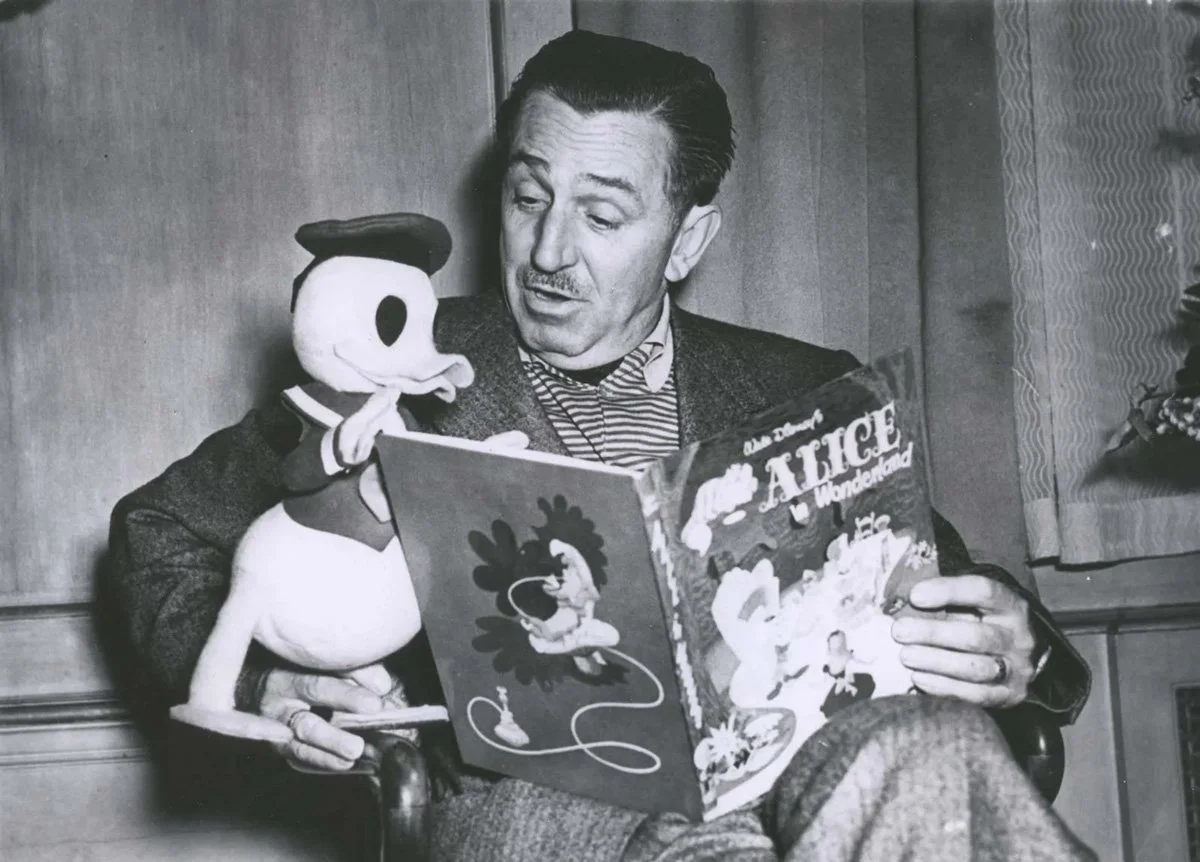
Walt Disney was never formally diagnosed with neurodivergence, but he exhibited some signs. As a kid, he struggled in school and eventually dropped out. That was hardly a reflection of his drive or intelligence because he managed to take some crude drawings and turn them into what we know as "Disney" today.
Again, there is no definitive answer as to whether Walt Disney had ADHD; he lived before the condition was widely recognized and diagnosed. However, some have speculated that he may have had symptoms consistent with ADHD:
Risk-taking: Walt Disney was known for taking bold risks in his work and personal life, such as quitting his job to start his own animation studio and pursuing innovative technologies such as synchronized sound and full-color animation.
Impulsive decision-making: Walt Disney was known for making quick decisions, sometimes on a whim, and then pursuing them with intense focus and determination.
Restlessness: Walt Disney was known for having a lot of energy and being constantly on the move, which is a common symptom of ADHD.
Difficulty sitting still: Walt Disney was known for fidgeting and tapping his foot when seated, which can be a sign of ADHD.
What was it all for? Walt had imagined Disneyworld as a bonafide community equipped with housing, monorail transportation, and more. Okay, he might've imagined it as a racially pure utopia, but still, he was a big-picture guy.
5 Solange Knowles

Hopefully, everybody who likes music knows this name. Everyone knows her older sister Beyonce, but Solange has a powerful voice and is a true avant-garde artist. Music, dance, art, and acting are some of her usual mediums. She's considered an elite in the industry and helped push neo-soul closer to the mainstream of R&B. This tenacity even earned her a Grammy.
She says: "I was diagnosed with ADHD twice.". She continues, "(I thought) ADHD was just something they invented to make you pay for medicine. I didn't believe the first doctor…the second doctor told me I had it.".
Solange has talked about how ADHD can make it difficult for her to focus and complete tasks and how she has had to develop strategies to manage her symptoms and stay productive. She has also mentioned the stigma and misunderstanding that can come with ADHD and how she wants to raise awareness and help others struggling with the condition.
Acting career: Solange has appeared in several television shows and films, including "Bring It On: All or Nothing" (2006) and "Happily Ever After" (2021). She is also known for her stage presence and performance style, which blends dance, theater, and visual art elements.
Philanthropy and activism: Solange advocates for social justice and equality and has used her platform to raise awareness and support for important causes. She has been involved in activism around issues such as police brutality, voting rights, and environmental justice. She has used her music to highlight these issues and inspire change.
Fashion and style: Solange is known for her bold and innovative fashion sense and has been featured in several high-fashion magazines and campaigns. She has also been recognized as a style icon and trendsetter. She has used her influence to promote diversity and inclusiveness in the fashion industry.
4 Eminem

Eminem is a rapper, songwriter, and producer widely regarded as one of the greatest rappers of all time. He has been open about his experiences with ADHD and how it has impacted his life and work.
In interviews, he has described how ADHD has made it difficult for him to concentrate and focus, which can be a challenge in his work as a rapper and songwriter. He has also described how ADHD can make it challenging to stay organized and manage time effectively, impacting his ability to work efficiently and meet deadlines.
However, Eminem has also spoken about how ADHD has given him a unique perspective and creative energy that has helped him become one of the most successful and influential rappers ever.
Eminem has won 15 Grammy Awards, including Best Rap Album for "The Slim Shady LP," "The Marshall Mathers LP," and "Recovery."
He is among the best-selling music artists of all time, with over 150 million records sold worldwide.
His work has been widely praised by music critics and fans, and he is regarded as one of the greatest rappers of all time.
Eminem has acted in several films and television shows, including the semi-autobiographical film "8 Mile," which was a critical and commercial success.
He has also been successful as a business entrepreneur, with ventures in music production, clothing, and technology.
3 Mozart

There is no evidence that Wolfgang Amadeus Mozart, the famous composer, and musician, had attention deficit hyperactivity disorder (ADHD). However, some experts have speculated that Mozart may have had traits consistent with ADHD based on descriptions of his behavior and personality.
Mozart was known for his impulsive behavior, including impulsively quitting jobs and getting into arguments with others. He was also known for his hyperfocus in composing music and his ability to work long hours without sleep. Some experts have suggested that these traits may be consistent with ADHD. Still, with a diagnosis or medical records, it is easier to know for sure.
He wrote letters that used inappropriate humor for the time being. In a letter to his cousin Maria Anna Thekla Mozart, Mozart wrote about his sexual desires and exploits in a vulgar and explicit manner. He was terrible at managing money, and his father would do it for him. Still, he had no trouble making very notable achievements:
Mozart showed musical talent at a young age, composing his first piece of music at age 5. He began performing and touring Europe with his family at age 6. By the age of 20, he was already an established composer.
Mozart wrote over 600 works, including operas, symphonies, chamber music, and concertos. His compositions are known for their technical proficiency, expressive power, and emotional depth.
Mozart's music has had a profound impact on the development of Western classical music, and his works continue to be performed and revered to this day. He is widely considered one of the cornerstones of classical music and a model for composers to emulate.
2 Thomas Edison
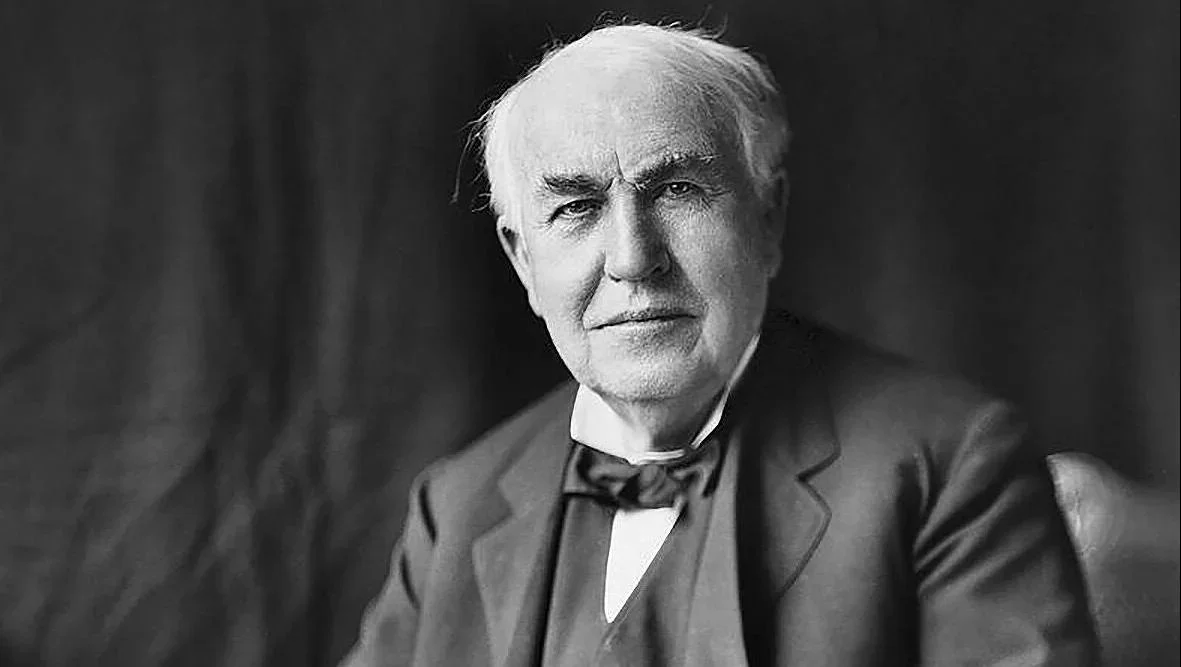
Again, ADHD did not exist during his lifetime. Still, we see some tell-tale signs that look all too familiar for those who suffer from neurodivergence. For example:
He was a terrible student and got kicked out of school for inattentiveness and disruptive behavior. Seeing a pattern yet? As an adult, Edison was known to be highly energetic and restless. He was often described as having boundless and tireless energy. He was also prone to sudden bursts of intense focus, constantly working for long periods without breaks or interruptions.
Additionally, Edison was known to have a strong aversion to boredom and routine. He was constantly seeking out new challenges and projects to work on. He also tended to jump from one task to another, often leaving unfinished work in his wake.
Somehow, this kid, whose teachers probably viewed him as a failure, was brewing something MONUMENTAL for humanity. Imagine what kind of imaginative thoughts you must have to think of a light bulb circa 1879. Ben Franklin discovered electricity way back in 1752. For 127 years after its discovery, people still used lanterns in their houses. Edison was also somewhat infamous for his unethical tactics used to acquire patents. Still, if it weren't for his beautifully strange mind (and, let's be honest, stealing people's ideas), he helped usher in the modern world.
1 Sir Richard Branson

Did you know that if you have ADHD, you're 3 times more likely to start a business?
Sir Richard Branson has been officially diagnosed with dyslexia and ADHD. Notice that I don't say he's "suffering" from either of these conditions? That's because he's built a noteworthy record label (Virgin Records), his own airline (Virgin Atlantic Airways, LTD.), and even flies people to space. Currently, he's developing an underwater plane. And his first name isn't Sir… he's just been knighted. He started his first company at 16 and, with ADHD, made himself worth $3.9 Billion!
Branson has stated that he was not formally diagnosed with ADHD until later in life but has constantly been easily distracted, restless, and prone to impulsive behavior.
Despite these challenges, Branson has been able to use his ADHD as a source of creativity and innovation. He has stated that his restless energy and tendency to pursue new ideas and projects have been critical factors in his success as an entrepreneur. He has also credited his ability to delegate tasks to others and his willingness to seek help and support as essential strategies for managing his ADHD.
In Conclusion
There's something we can see about all of these ADHD achievers and what they have in common:
Hyperfocus: Many individuals with ADHD can become highly focused and engaged in activities they enjoy or find interesting. This hyperfocus can be an asset in certain situations.
Creativity: Individuals with ADHD often have highly creative minds and can think outside the box and develop innovative solutions to problems.
High energy: Many individuals with ADHD have high energy levels and are always on the go, have trouble sitting still, and feel restless or bored if they cannot engage in stimulating activities.
Impulsiveness: Individuals with ADHD may have trouble controlling their impulses and are prone to behave impulsively without thinking through the consequences of their actions.
Difficulty with organization and time management: Individuals with ADHD may struggle with organizational skills and time management, making it difficult to prioritize tasks and meet deadlines.
Risk-taking behavior: Many individuals with ADHD are drawn to risk-taking and may be more likely to take risks in their personal and professional lives.
Consider this the next time your ADHD symptoms get you down:
The grandest of achievements of all time are on the backs of high-stakes problem solvers whose minds were designed to recognize patterns quickly for an increased chance of survival. Neurodivergents. These hunters and nomads carried unique gene mutations that made their brains hardwired to do so. What has changed in 2023? We are those same people living in the future. Technological, athletic achievement and space travel for consumers are all realities because of hyperfocused, obsessed dreamers. It's what keeps the world alive.
Want to know how you can harness your sleeping, neurodivergent abilities?
The You Testament
Writing down the things that you want to accomplish makes them more manageable. That's something I've always heard, and thought was stupid. It would make me annoyed when my former boss told me writing things down would help me prioritize my tasks more efficiently. I would find a different self-help video on youtube if one suggested I "write things down" too much. Still, I needed help figuring out why I failed to meet my intentions.
I relented, and I finally bought a life planner so that I could "write things down." When I opened it, I was filled with anxiety. Pages and pages of blank calendars and complicated weekly spreadsheets can paralyze the minds of neurodivergents. I didn't know what to do or where to start. I have ADHD, so I have lots of hobbies and goals.
I'm a graphic designer, writer, and podcaster; I love Brazilian jiu-jitsu and am passionate about learning languages on the app Duolingo. None of that includes my personal responsibilities and relationships. Knowing exactly where and when to put my priorities is a mess. When I tried writing in a planner, it looked like the diary of a madman. I was scribbling beyond the provided spaces trying to fit all of my favorite activities into my daily routine. I knew there was a better way.
I couldn't find one, so I made one just for people with ADHD, neurodivergence, or who have difficulty organizing. It's called The You Testament, a strategic life planner, and workbook. Instead of calendars and spreadsheets, this book gets to the root of what things in your life are worth prioritizing in the first place. It uses 21 exercises to help you establish a strong self-awareness and define your goals.
The big problem with most planners (and digital planners) is that it's only effective for people who know what they want to do. As a society, much of our lives are dictated by the will of others. Your job, your mortgage, and the needs of your family. Those factors don't mean your dreams and goals are impossible to meet; it means that you have no time to waste! Manage your time effectively with a strategic life planning workbook.
This book is for anyone who:
• Wants to start a business
• Dislikes their mundane day job
• Has a hobby or passion that they would like to be paid for
• Wants to remember to stay hydrated
• Learn a language
• Stay organized
• Has trouble staying organized because of ADHD (neurodivergence)
• Wants to get in shape
• Wants to know themselves better
The twenty-one flexible, guided exercises inside this workbook are not time-bound and are evergreen. This planner is designed for yearly re-visits to update and reflect on your plans.
I know that if you're busy, reading can be challenging, especially for my fellow ADHD-ers. That's why I have created an audio companion designed to help you. It's essentially an audio version of the book, allowing you to listen, then fill in the exercises later if you need to.
This is a self-coursework… course. That means that you won't constantly have an instructor to lean on, but that's what this book will teach you; you don't need anyone to show you the way. I've added a link to the show notes to check it out. Don't forget to check out abndtadhd.com to find more resources for managing your beautiful brain. That being said, that's all for now. I hope you find the information inspiring and helpful. Much love, D.C. out!